Global buyers need more than a cotton swab that looks clean and soft. They need a reliable tool for precise makeup application, correction, blending, and removal. A Makeup Cotton Swab may have a pointed tip, rounded tip, spiral head, or dual-ended design. Each shape serves a different purpose. Small details matter.
This guide explores the top 10 types of makeup cotton swabs used across beauty retail, professional kits, salons, and private-label programs. It considers cotton quality, tip firmness, absorbency, lint control, handle material, packaging, and production consistency. Pointed swabs can sharpen eyeliner edges. Rounded swabs help soften harsh lines. Spiral styles may remove residue from lashes or brows. Dual-ended designs can reduce the number of tools in a travel case.
Performance must be checked, not assumed. Buyers should request samples and test them with liquid liner, cream concealer, mascara, and micellar water. A swab that works well when dry may lose shape when saturated. That difference can affect customer satisfaction. Packaging also deserves attention. Sealed packs, batch details, and clear material information support better quality control and consumer confidence. Supplier audits and documented testing add practical assurance.
There is no universal best type. Market preferences vary. Some buyers prioritize softness, while others need firm precision. Even experienced purchasers can overlook lint release or handle strength. This guide keeps those risks visible. It offers a practical comparison for buyers seeking dependable products, clearer specifications, and safer purchasing decisions in international markets.
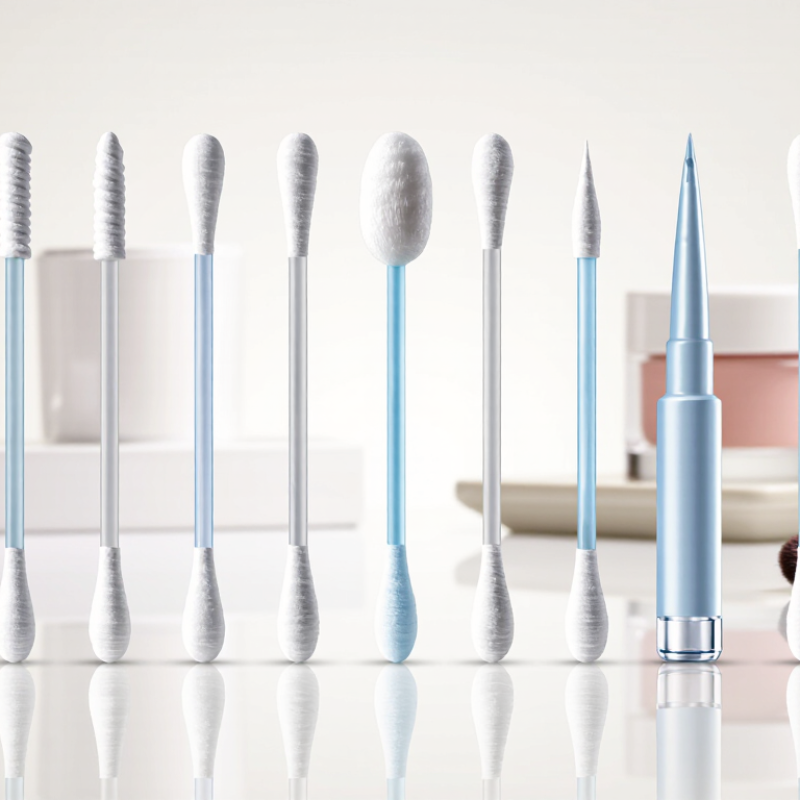
Top 10 Types of Makeup Cotton Swabs for Global Buyers
Makeup cotton swabs differ by tip shape, firmness, and stem design. Common categories include pointed-tip, round-tip, flat-tip, slanted-tip, spiral-tip, and micro-tip swabs. Dual-ended swabs combine two functions in one tool. Extra-firm tips support precise correction around eyeliner. Soft-bloom tips help blend powder near sensitive areas. Flexible-stem and paper-stem swabs suit buyers seeking different handling and packaging options. No category wins every task.
Selection should begin with the intended makeup application. A pointed tip removes mascara from a narrow lash line. A flat tip cleans wider smudges without pressing too hard. Check fiber density, lint release, tip bonding, stem strength, and overall dimensions. For international purchasing, request material specifications, batch records, and quality-control reports. Packaging should protect the tips from dust and crushing during transport. I once underestimated stem flexibility; the swabs looked neat but bent during detailed correction. That was a useful mistake.
Tips: Test samples on clean skin and textured surfaces. Twist each tip gently. Watch for loose fibers. Compare dry and lightly moistened performance. Review the supplier’s production consistency, not only one attractive sample. If the product touches the eye area, prioritize smooth fibers, secure tips, and clear usage guidance. A lower price may hide uneven density or weak packaging. Reflect before scaling the order.
| Makeup Cotton Swab Type | Tip Structure and Material | Typical Makeup Applications | Precision Level | Absorbency | Lint-Control Requirement | Key Selection Criteria | Best-Suited Buyer Need |
|---|---|---|---|---|---|---|---|
| 1. Standard Cotton-Tip Swabs | Soft, rounded cotton tips wound around a paper or polypropylene stem. | Blending eyeshadow, cleaning excess mascara, removing small makeup smudges, and general touch-ups. | Medium | High | Medium; tightly wound tips are preferred. | Tip softness, secure cotton winding, smooth stem, consistent tip size, and clean packaging. | Everyday makeup kits and general-purpose cosmetic use. |
| 2. Pointed-Tip Cotton Swabs | One or two tapered cotton tips designed to form a narrow working point. | Creating sharp eyeliner edges, cleaning the lash line, correcting lipstick borders, and detailed nail-art cleanup. | Very High | Medium | High; loose fibers can affect fine-line work. | Tip sharpness, point retention, structural firmness, and controlled fiber release. | Professional artists and consumers who need precise corrections. |
| 3. Flat-Tip Cotton Swabs | Flattened cotton surface with a broad, low-profile contact area. | Smudging pencil eyeliner, softening eyeshadow edges, and removing product from wider areas. | High | Medium to High | Medium to High; the flat surface should remain compact. | Flatness, edge definition, surface uniformity, and resistance to deformation. | Controlled blending and broad but localized makeup correction. |
| 4. Dual-Ended Precision Swabs | Two different ends, commonly one pointed tip and one rounded or flat tip. | One-tool correction of eyeliner, mascara, eyeshadow, lipstick, and brow makeup. | High | Medium | High; both ends should remain cleanly formed. | Tip-to-tip consistency, ergonomic stem length, protective packaging, and end differentiation. | Travel kits, makeup retailers, and multipurpose cosmetic sets. |
| 5. Biodegradable Paper-Stem Swabs | Cotton tips attached to a paper stem instead of a conventional plastic stem. | General makeup correction, retail beauty kits, and applications where reduced plastic use is prioritized. | Medium | High | Medium; cotton winding and stem durability remain important. | Paper stiffness, moisture tolerance, compostability claims, packaging materials, and applicable market regulations. | Buyers seeking lower-plastic product options and sustainability-oriented packaging. |
| 6. Organic-Cotton Swabs | Cotton tips made from certified or documented organic cotton, usually on paper or plastic stems. | Direct cosmetic application, sensitive-skin touch-ups, and premium personal-care assortments. | Medium | High | Medium; natural fibers must still be firmly secured. | Fiber origin documentation, softness, processing chemicals, certification scope, and batch traceability. | Natural-product retailers and buyers requiring documented material sourcing. |
| 7. Micro-Point Cosmetic Swabs | Very small, densely formed tapered tip intended for localized product removal. | Cleaning eyeliner gaps, separating lashes, correcting lip corners, and removing tiny makeup spots. | Very High | Low to Medium | Very High; fiber shedding can compromise precision. | Tip diameter consistency, firmness, clean taper, non-abrasive surface, and sterile or hygienic packaging where required. | Professional makeup artists, beauty schools, and precision-focused kits. |
| 8. Extra-Soft Sensitive-Skin Swabs | Loosely cushioned or specially softened cotton tip designed to minimize friction. | Makeup removal around the eyes, correction for delicate skin, and gentle cleanup of cream products. | Medium | High | Medium to High; softness must not cause excessive shedding. | Surface softness, low abrasion, odor control, clean manufacturing, and comfortable stem edges. | Eye-area use and cosmetic sets positioned for gentle application. |
| 9. Firm-Tip Applicator Swabs | Densely compressed cotton tip with a firmer structure for controlled application. | Applying small amounts of concealer, mixing pigments, defining brows, and placing glitter or loose powder. | High | Low to Medium | High; compact fibers help maintain application control. | Compression level, tip resilience, smoothness, transfer control, and resistance to flattening. | Detailed product application and professional cosmetic work. |
| 10. Individually Wrapped Cosmetic Swabs | Standard, pointed, or specialty cotton tips sealed separately in paper or film packaging. | On-the-go makeup corrections, retail sampling, event kits, and hygiene-sensitive environments. | Depends on tip type | Depends on tip type | High; individual packaging helps protect the tip before use. | Seal integrity, packaging material, opening convenience, moisture protection, lot identification, and shelf-life control. | Travel retail, cosmetic sampling, hospitality, and individually portioned kits. |
They correct mascara marks, uneven eyeliner, and small foundation smudges. Their rounded heads feel gentle around the eyes. They also blend concealer in narrow areas. Softness varies between suppliers.
Inspect the cotton head for even shaping and low lint. Roll one swab across clean black paper. Loose fibers become visible. Test the stick for bending. I would not trust appearance alone.
Pointed tips help correct eyeliner wings, inner corners, and false-lash edges. They offer better control in tiny spaces. The tip should feel smooth, not scratchy. Extreme sharpness is unnecessary.
It should stay attached during short, controlled strokes. It should absorb a little remover without collapsing. A dense tip creates cleaner lines. However, it may feel harsh on sensitive skin.
Flat tips help correct lipstick edges. Spiral tips can shape brows. Dual-ended designs support blending and detail work. Foam tips may reduce visible fibers during mascara cleanup.
Compare cotton quality, paper shafts, flexible shafts, and lower-plastic options. Review stiffness, absorbency, and moisture tolerance. Paper may support waste-reduction goals. It can weaken in humid shipping conditions.
Ask for material declarations, batch records, safety documents, and packaging specifications. Request microbial testing when relevant. Inspect random samples under bright light. Pull and rub tests reveal weak cotton attachment.
Sealed packs should block dust and moisture. Review storage instructions and batch details. Consider the shipping climate. Humidity may damage paper shafts. A clean package does not prove every swab is perfect.
No. Softer tips may feel comfortable but leave fibers behind. Firmer tips improve control near the lash line. Users can also press too hard and disturb nearby makeup. That mistake is easy to overlook.
Request pre-production samples and compare several tip sizes. Test them under real makeup conditions. One sample is not enough. Record lint, comfort, firmness, and remover absorption. The best choice depends on the task.
Choosing the right Makeup Cotton Swab can improve both application accuracy and correction efficiency for professional artists, retailers, and everyday beauty users. This overview introduces ten practical types by comparing cotton shape, tip structure, softness, absorbency, handle design, and packaging suitability. Round-tip cotton swabs are ideal for general cleanup, blending, and removing small makeup mistakes, while pointed-tip swabs provide greater control around eyeliner, mascara, and other detailed eye makeup. Flat-tip and dual-ended designs offer added versatility, supporting broader correction work on one end and precision detailing on the other.
Specialized options may include lint-reduced, biodegradable, extra-soft, or individually packed swabs for different usage environments. Global buyers should also assess cotton quality, handle durability, hygiene standards, product consistency, customization options, and transport-friendly packaging. By matching the swab type with its intended beauty application and target market expectations, buyers can select products that deliver reliable performance, user comfort, and practical value across diverse international markets.

 Xiaomianjia Medical