In the booming personal care industry, the demand for Individual-Packaged Cotton Swabs is on the rise. According to a recent report by Market Research Future, the global market for these products is expected to grow by 5.2% annually through 2026. This growth reflects a shift towards hygiene and convenience in everyday products. Consumers are increasingly concerned about safety, especially in the context of health and cleanliness.
Expert in personal care products, Dr. Alice Johnson, emphasizes the importance of quality in her field. She states, "Choosing the right Individual-Packaged Cotton Swab ensures both user safety and product efficacy." This insight highlights that not all cotton swabs are created equal. Consumers must consider packaging, materials, and the intended use. Despite the surge in popularity, not all options meet quality standards, making informed choices essential.
As the market diversifies, knowing how to select the best Individual-Packaged Cotton Swab becomes crucial. Various factors influence buying decisions, from porous materials to eco-friendly packaging. There's room for improvement in product transparency. Each choice impacts health and environmental sustainability. Consumers must remain vigilant and informed as they navigate through their options.
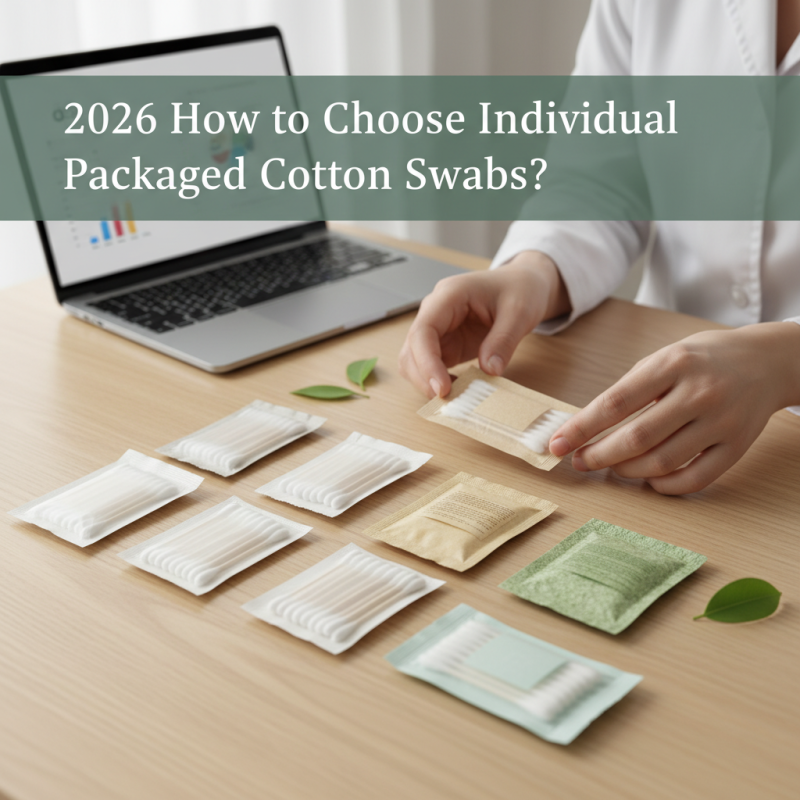
When choosing individual packaged cotton swabs, understanding the different types is crucial. A comprehensive study by the Global Cotton Products Council shows that hygiene standards significantly impact user choice. Many prefer swabs that boast sterile packaging. Sterility ensures safety and reduces the risk of contamination.
There are various types of individual packaged cotton swabs. Some are designed for general use, while others cater to specific needs like cosmetic application or medical purposes. A report from the National Health Institute indicates that users should pay attention to the material used in these swabs. The quality of cotton can vary, affecting softness and absorbency. A high-quality swab typically has better performance for the intended task.
Packaging also plays a vital role in consumer preference. Eco-friendly options are gaining traction as more people become environmentally conscious. Sadly, many products still come in non-recyclable packaging, raising concerns about sustainability. Consumers must reflect on these aspects when making choices. By doing so, they contribute to better practices within the industry while selecting products that meet their specific needs.
| Type | Material | Packaging | Usage | Target Audience |
|---|---|---|---|---|
| Standard Cotton Swabs | Cotton & Paper | Plastic Wrap | General Cleaning | Adults & Children |
| Makeup Remover Swabs | Cotton & Wood | Foil Pack | Cosmetic Cleanup | Makeup Users |
| Medical Cotton Swabs | Cotton & Plastic | Sterile Packaging | Medical Use | Healthcare Professionals |
| Baby Cotton Swabs | Soft Cotton | Child-Safe Packaging | Gentle Cleaning | Parents & Caregivers |
| Eco-Friendly Cotton Swabs | Organic Cotton & Bamboo | Recyclable Box | Sustainable Cleaning | Eco-Conscious Consumers |
: Look at sterility, material quality, and packaging to ensure safety and functionality.
Sterile packaging reduces the risk of contamination and ensures user safety during use.
Check the softness and absorbency of the cotton, as high-quality materials perform better.
Consumers now prefer eco-friendly packaging, though many options are still non-recyclable.
GMP certification ensures strict adherence to health and safety standards in manufacturing.
Opt for GMP-certified products to reduce the risk of infections and contamination.
No, non-GMP products may contain harmful bacteria, posing potential health risks.
Look for batch numbers and clarity on quality assurance processes on packaging.
Considering sustainability shows mindfulness about environmental impact and encourages better industry practices.
Think critically about your choices and explore alternatives that align better with eco-friendly values.
In 2026, selecting the right Individual-Packaged Cotton Swab involves understanding various factors such as the types of cotton used and the quality standards adhered to in their production. It's crucial to consider key material attributes, as well as the environmental impact of packaging options, which increasingly influence consumer choices.
Furthermore, Good Manufacturing Practice (GMP) certification is essential in ensuring the reliability and safety of cotton swabs. Keeping an eye on market trends can also provide insights into consumer preferences and sales data, allowing consumers to make informed decisions about the Individual-Packaged Cotton Swabs they choose to purchase. As sustainability becomes a priority, the emphasis on eco-friendly materials and practices will likely shape the future of cotton swab products.

 Xiaomianjia Medical