In recent years, the demand for Ear-Picking Painless Cotton Swabs has surged, driven by consumer preferences for safer and more effective ear-cleaning solutions. According to a report by the Ear Care Research Institute, over 45% of users report a preference for painless alternatives to traditional methods, highlighting the importance of innovation in this sector. Experts endorse the importance of gentle cleaning techniques, emphasizing that "using the right tools can prevent unnecessary injuries," states Dr. Anya Thompson, a leading audiologist and ear health advocate.
While Ear-Picking Painless Cotton Swabs offer a modern solution for ear hygiene, many users still face challenges. Common errors include excessive force and improper usage, leading to potential discomfort. Dr. Thompson warns, "Even the gentlest tools can cause harm if not used correctly." This underscores the need for education and practice, ensuring users maximize the benefits of these swabs while minimizing risk. Embracing the right techniques can transform ear care into a safer, more pleasant experience.
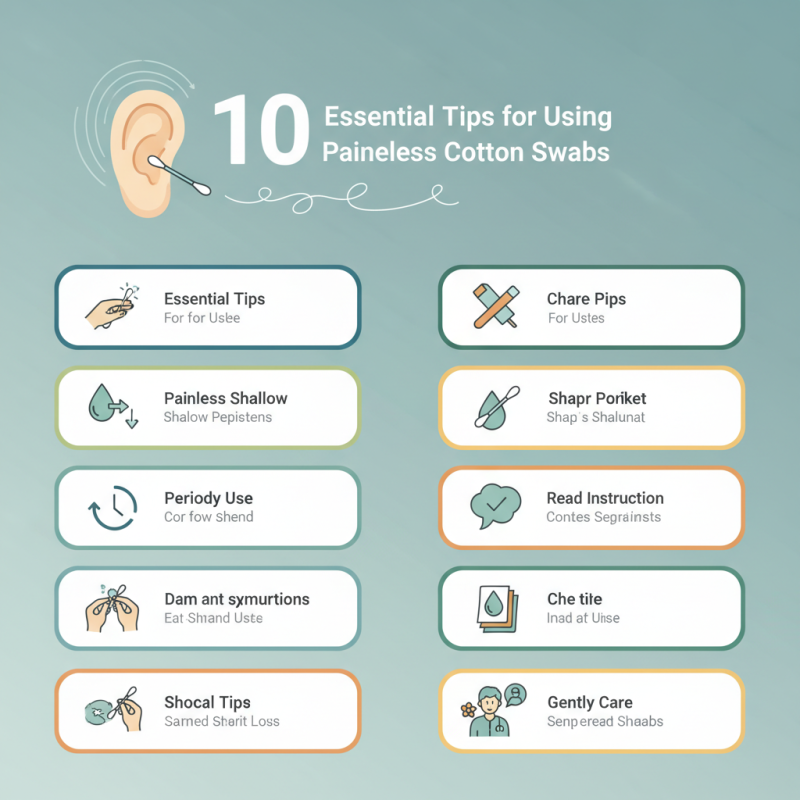
Maintaining ear hygiene is vital for overall health. Proper cleaning can prevent infections and other ear-related issues. A study by the American Academy of Otolaryngology highlights that nearly 2 million cases of earwax blockage occur annually in the U.S. alone. Using cotton swabs can help remove excess wax, but caution is needed.
Many people misuse cotton swabs, pushing wax deeper into the ear canal. This can lead to discomfort and potential damage. The American Speech-Language-Hearing Association suggests that proper ear cleaning involves only cleaning the outer ear. However, if you do use cotton swabs, consider using those designed for safe ear cleaning. They are often softer and less likely to cause harm.
Listening to experts is crucial. The National Institutes of Health recommends avoiding deep cleaning. Instead, people should focus on gentle cleaning methods to maintain ear hygiene. Cotton swabs can be a part of your routine, but understanding their limitations is essential. Over-reliance on these tools may lead to unhealthy habits. Reflection on these practices ensures safer ear care for everyone.
When choosing cotton swabs for ear cleaning, material matters a lot. Soft cotton is ideal. It’s gentle on sensitive skin. Avoid swabs with hard plastic tips. They can cause injury. Opt for biodegradable options when possible. They are better for the environment.
Design features are important too. Look for swabs with a short shaft for better control. A wider head helps trap more earwax. However, be cautious. Some designs can go too deep. This increases the risk of injury. Always consider your comfort and safety.
Many forget to check if cotton swabs are hypoallergenic. This is crucial for those with sensitive skin. In essence, the right swab can enhance your ear-cleaning experience. The wrong choice may lead to complications. Always approach ear cleaning with care, even with the right tools.
Cleaning your ears can be tricky. Many people use cotton swabs, but improper techniques can lead to pain and injury. Studies show that around 33% of people have experienced ear discomfort from using cotton swabs. Here are some safe techniques to consider for painless ear cleaning.
Focus on the outer ear. Use cotton swabs to gently clean the visible parts but avoid inserting them deep into the ear canal. The ear canal is delicate and can easily be harmed. Additionally, research indicates that pushing earwax further into the canal can cause blockages. Use a gentle hand and limit your swab contact to the outer areas.
Consider alternatives to cotton swabs, such as soft cloths or specialized ear-cleaning tools. Data suggest that earwax has protective functions and doesn't require aggressive cleaning. Excessive cleaning can irritate the skin inside the ear, leading to infections. Many healthcare professionals advocate for minimal interference, allowing nature to take its course in ear hygiene. Sometimes, leaving the wax alone is the best choice.
When using cotton swabs for ear care, common mistakes can lead to discomfort or even injury. Many people push the swab too deep, risking damage to the ear canal. It’s important to remember that the ear is self-cleaning. Overusing cotton swabs can disrupt the natural process.
One essential tip is to gently clean the outer ear, avoiding the canal. This limits the risk of injury. If you notice discomfort, stop immediately. Always use a soft cotton swab designed for ear care. Choose swabs that have a safety barrier, which can prevent deeper insertion.
Another mistake is using unsterilized swabs. This can introduce bacteria into the ear. Make sure to inspect and ensure cleanliness before each use. Staying mindful of your technique will enhance safety and comfort. Ensure that your actions are as gentle as possible to avoid any negative effects on your ear health.
Ear cleaning is often overlooked, but it is essential for overall ear health. While using cotton swabs can be tempting, it’s important to know when to consult a professional. If you experience pain, persistent itching, or discharge, seek help. These could be signs of an underlying issue, such as an ear infection or impacted wax.
Using cotton swabs can be effective if done correctly. Make sure to gently use the swabs to clean only the outer ear. Avoid inserting them deeply, as this can push wax further in. Limited movement ensures you don’t damage delicate ear structures. After cleaning, monitor for any adverse reactions. Redness or discomfort can signal that a professional should evaluate your ears.
Keep an eye out for excess wax buildup or changes in hearing. If you notice these symptoms, don’t hesitate. Seeking professional help is wise. They can assess your ear health and provide safe cleaning options. Relying solely on at-home methods can sometimes lead to complications. Prioritize your ear health by understanding when to consult experts.
: Pushing the swab too deep can cause damage to the ear canal.
Gently clean only the outer ear and avoid the canal.
Stop immediately to prevent any potential injury.
No, always use soft cotton swabs designed for ear care.
Unsterilized swabs can introduce bacteria into the ear.
If you experience pain, itching, or discharge, consult a professional.
Yes, overuse can disrupt the ear's natural cleaning process.
Excess wax buildup or changes in hearing warrant professional assessment.
Look for redness or discomfort following cleaning sessions.
No, sometimes professional assistance is necessary to avoid complications.
Maintaining proper ear hygiene is crucial for overall health, and using an Ear-Picking Painless Cotton Swab can make this process both safe and effective. When choosing cotton swabs, it's essential to consider materials and design to ensure they are gentle on the ear. Techniques for safe ear cleaning include using the swab gently without inserting it too deeply into the ear canal, which can prevent injury and discomfort.
However, there are common mistakes that people often make, such as using cotton swabs too frequently or sharing them with others, which can lead to ear infections or damage. It is also important to know when to seek professional help for ear cleaning, particularly if you experience pain, discharge, or hearing loss. By following these essential tips, individuals can effectively use Ear-Picking Painless Cotton Swabs while safeguarding their ear health.

Xiaomianjia Medical