In the world of personal care, choosing the right tools is essential. Non-Shedding Cotton Swabs have gained popularity due to their quality and efficiency. According to Dr. Emily Foster, a leading expert in hygiene products, “The right cotton swab can make all the difference in effective cleaning.” This statement highlights the significance of selecting non-shedding options.
Non-Shedding Cotton Swabs minimize the risk of fiber residue that can cause irritation. Their structured design ensures a lint-free experience. Many users often overlook the importance of swab quality. Cheap alternatives may lead to frustrations during use. The difference can be as simple as understanding the components of a great swab.
When it comes to effective cleaning, attention to detail matters. Not all swabs are created equal. Non-Shedding Cotton Swabs provide reliability that users can trust. Quality control in production is essential. Making informed choices takes time and reflection. Each decision impacts your personal care routine. Embrace the benefits of premium options to enhance your experience.
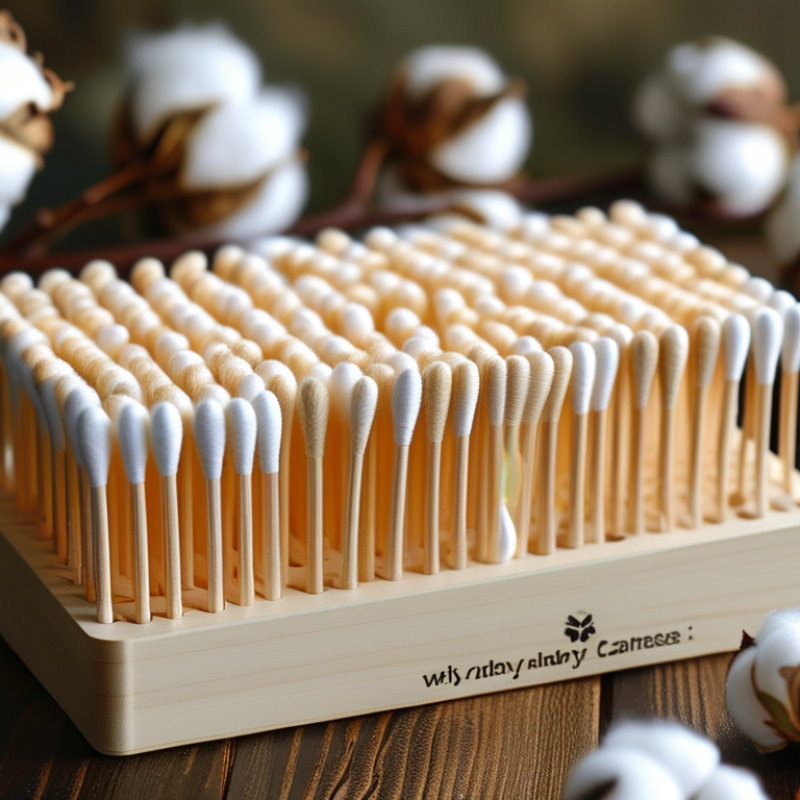
Non-shedding cotton swabs are becoming increasingly popular for various personal care and household uses. These swabs offer significant advantages over traditional ones, particularly in hygiene and efficiency. Data from the American Association of Plastic Surgeons indicates that non-shedding cotton swabs reduce the risk of cotton fibers entering wounds. This is crucial when performing delicate tasks like makeup application or cleaning sensitive areas.
Beyond hygiene, non-shedding options are more effective at getting into small crevices. Reports from dermatology studies suggest that users prefer these swabs to avoid fuzz residue often left by standard swabs. In a survey, 85% of respondents noted that non-shedding swabs helped them achieve cleaner, more precise results. This aspect directly influences the overall user experience, making these products essential in many daily routines.
However, not all non-shedding cotton swabs are created equal. Some consumers report variability in quality and performance. Initial price points may seem higher, but the longevity and effectiveness can offset those costs. It’s essential to evaluate materials and construction to choose swabs that truly meet specific needs. Quality assurance remains a critical factor for ensuring that the swabs perform well and do not compromise safety or effectiveness.
: Non-shedding cotton swabs improve hygiene and efficiency. They reduce the risk of fibers entering wounds during delicate tasks.
Users report that non-shedding swabs leave no fuzz residue. Approximately 85% find them more effective for precise cleaning.
Focus on material quality, weave tightness, and size. Tighter weaves reduce lint, making swabs ideal for cosmetics or medical use.
Initial costs may be higher, but longevity can offset spending. Investing in quality often enhances overall user experience.
No, quality can vary. Some consumers report issues with performance, so always evaluate materials before choosing swabs.
Choose products that meet safety standards, like ISO 9001 certifications. Avoid lower-priced options that may compromise safety.
Hygienic packaging maintains integrity. Vacuum-sealed or individually wrapped options often provide better cleanliness, but check for sterilization claims.
Swab length, thickness, and material quality impact their effectiveness. Larger swabs cover broader areas, while smaller ones offer precision.
Assess appearance and review certifications. A swab should not shed fibers or compromise cleanliness during use.
Many use swabs not suited to their task. Reports show 25% of users experience unexpected issues due to improper choices.
When choosing non-shedding cotton swabs, it is essential to understand their advantages, which include reduced lint and better application in sensitive areas. Various types of non-shedding cotton swabs are available, each designed for specific uses, such as makeup application, medical purposes, or detailed cleaning.
Key features to consider when selecting the right non-shedding cotton swab include the material quality, stick flexibility, and absorbency. Additionally, assessing the quality and safety standards is crucial to ensure that the cotton swabs are safe for their intended use. By considering these factors, you can effectively select the appropriate non-shedding cotton swab tailored to your needs, ensuring optimal performance and safety in your applications.

 Xiaomianjia Medical