How to Choose Disinfected Cotton Swabs for Bulk Purchase?

Time:2026-09-28 Author:Madeline
0%

Bulk purchasing a Disinfected Cotton Swab is not just a price comparison. The right choice depends on how the swabs will be used, stored, and handled. A clinic, laboratory, or personal-care supplier may need different tip sizes, stick materials, and packaging. Start by checking the product specification sheet. Look for cotton-tip dimensions, stick length, packaging quantity, and the stated disinfection process. Ask the supplier what “disinfected” means for that specific product. It does not automatically mean sterile, and that difference matters.

Request samples before placing a large order. Check whether the cotton stays firmly attached when gently rotated, and whether the stick bends during ordinary use. Inspect individual wrappers for clear product details and intact seals. Then review batch identification, shelf-life information, and storage guidance. These details help buyers trace products and plan inventory. They are easy to overlook.

Price still matters, but the lowest quote can hide inconsistent specifications or longer lead times. Compare quotes using the same product requirements, order quantity, and delivery terms. Ask how the supplier handles damaged packaging or product-quality concerns. Written answers are more useful than a confident sales call. I would also avoid assuming that one successful sample guarantees every future batch will match. It may not. A careful bulk decision balances documented quality, practical performance, reliable supply, and a cost that fits the intended use.
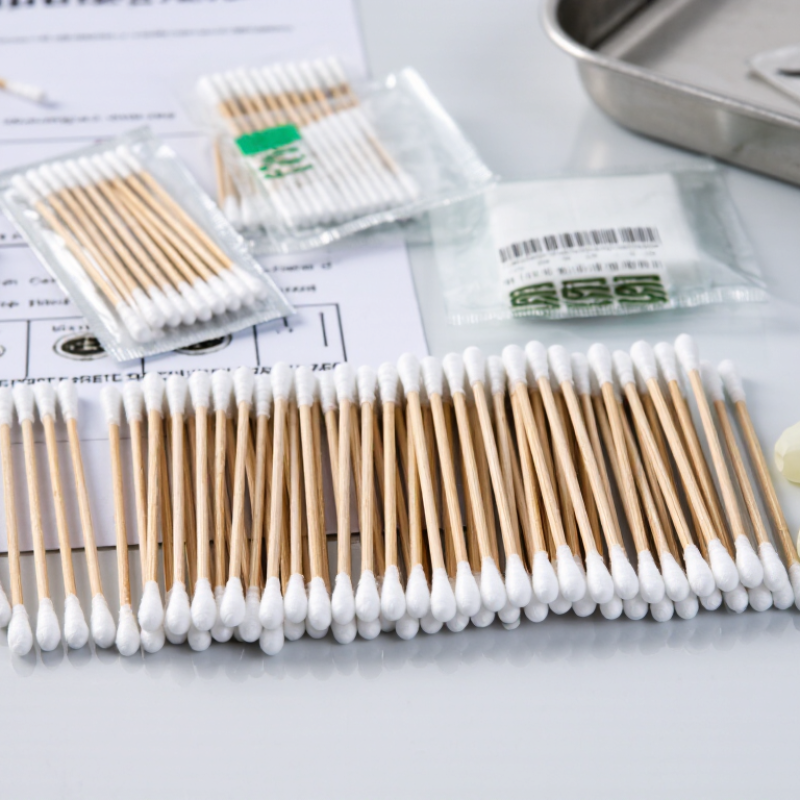
How to Choose Disinfected Cotton Swabs for Bulk Purchase?

Identify the Intended Use and Required Swab Specifications

Start with the task, not the carton size. A swab used for routine surface sampling may need a different tip and shaft from one intended for skin preparation or specimen collection. Define the target area, contact time, and whether the swab must reach a narrow opening. Small details matter. A short foam tip may cover a flat bench evenly, while a slim, pointed tip can reach a seam. Check that the material suits the surface or sample; some fibers shed, absorb liquid unevenly, or interfere with testing. For clinical workflows, verify suitability against the relevant procedure and consult qualified staff.

Then clarify what “disinfected” means for the purchase. Ask the supplier about the processing method, lot traceability, expiry dating, and supporting quality documents. Do not assume individually wrapped means sterile. It may not. Match tip material, shaft length, flexibility, and packaging to the workflow. Bulk buyers should check carton counts and protected storage after opening. Request a sample lot and test it in normal conditions: does the tip stay attached, reach the site, and absorb or release liquid as needed? A spreadsheet compares prices, but it cannot show an awkward grip or a fraying tip. That detail is easy to miss until the shipment arrives.

Check Disinfection Methods, Safety Standards, and Product Documentation

How to Choose Disinfected Cotton Swabs for Bulk Purchase?

When buying disinfected cotton swabs in bulk, check how the product is treated and what use it is intended for. Ask whether disinfection is performed during production or after packaging, and request details about the validated process. Disinfection is not the same as sterilization. Make sure the product description matches your actual needs, and check applicable safety requirements in your market. Clear wording matters.

Review the product label, instructions, and supporting documents before placing a large order. Request current test reports, quality certificates, and batch-specific records where available. Confirm the manufacturer, production lot, expiry or shelf-life details, and storage conditions. Check that packaging is sealed and readable when a sample arrives. A low unit price can look convincing, but it says little about consistency. I would also compare samples from different batches; buyers sometimes overlook small changes in cotton texture or stick strength.

Tips: Keep copies of product documents and supplier responses. Check carton labels against the order. Ask how damaged or opened packs should be handled. If a claim is vague, request clarification in writing. It may feel like extra work, but it can prevent avoidable surprises.

Evaluate Supplier Quality Controls and Bulk Production Capacity

For bulk purchases of disinfected cotton swabs, assess the supplier’s quality controls before comparing prices. Ask how cotton, sticks, and packaging are inspected when materials arrive. Request batch records showing production dates, inspection results, and the disinfection process used. Small details matter. A sealed pouch with uneven seals can compromise product handling, even when the swab looks clean.

Check whether the supplier can maintain consistent output across repeat orders. Review sample units from different batches, not only a hand-picked sample. Ask about monthly capacity, typical lead times, and how production changes are documented. Confirm that packaging and labeling can remain consistent at your required volume. A polished factory tour is useful, but it cannot replace records. Some suppliers may also underestimate delays; test their stated lead time with a smaller order when feasible.

Tips:

Ask for evidence. Compare batch documents with physical samples, and inspect seal strength, lint, shaft alignment, and tip attachment. Clarify how defects are reported and handled. Keep one retained sample from each delivery for later comparison. No checklist catches everything, so review performance after the first shipment and adjust your questions.

Review Packaging, Shelf Life, Storage, and Delivery Requirements

How to Choose Disinfected Cotton Swabs for Bulk Purchase?

Review Packaging, Shelf Life, Storage, and Delivery Requirements

Bulk buyers should inspect the primary pouch and outer carton before comparing prices. Look for intact seals, clear lot codes, and a printed expiry date on each unit or pack. Confirm whether the swabs are disinfected or sterile; these terms are not interchangeable. Ask the supplier for the validated shelf life and the test basis behind it. WHO’s 2018 health-care waste fact sheet estimates that high-income countries generate up to 0.5 kg of hazardous waste per hospital bed daily. Right-sized packaging can reduce unnecessary material, but oversized orders may expire before use.

Storage details matter. Request written limits for temperature, humidity, light exposure, and handling, then check that your storeroom can meet them. Keep cartons off damp floors and away from heaters. WHO’s guidance on storing and transporting temperature-sensitive health products emphasizes controlled conditions and monitoring; follow the swab supplier’s validated instructions rather than assuming every product needs refrigeration. Delivery records should identify the lot, quantity, and expiry dates. A short remaining shelf life can turn a low unit price into avoidable waste.

Tips: Ask for a sample carton and inspect the seals, labels, and swab tips. Compare delivered shelf life, not just quoted shelf life. It is easy to overlook receiving capacity; plan space before ordering a pallet.

How to Choose Disinfected Cotton Swabs for Bulk Purchase? - Review Packaging, Shelf Life, Storage, and Delivery Requirements

Purchase Dimension What to Check Practical Acceptance Criteria Documents or Evidence to Request
Disinfection status and intended use Confirm whether the swabs are disinfected, sterile, or non-sterile, and check that the stated use suits your application. Product status and intended use are clearly stated. Do not treat “disinfected” as equivalent to “sterile.” Product specification, labeling, and applicable conformity or test documentation.
Individual and inner packaging Review the packaging format, seal integrity, cleanliness, and protection against moisture, dust, and handling damage. Packaging is intact and appropriate for the product’s stated status and intended use. Any single-use or sterile claims are supported by the label and documentation. Packaging specification, sample packs, and inspection criteria for damaged or open packs.
Pack size and quantity control Check the number of swabs per inner pack, case, and shipment, as well as the method used to verify quantities. Pack counts and case quantities are clearly defined and match the purchase order; packs are easy to identify and handle. Pack-out specification, case labeling example, and quantity-check procedure.
Labeling and traceability Check for product description, lot or batch number, manufacture or expiry information where applicable, and storage instructions. Labels are legible and consistent across unit packs, cartons, and shipping documents. Lot information can be traced through the shipment. Label artwork or sample, lot-traceability details, and a sample certificate of analysis if applicable.
Shelf life and remaining life Ask how shelf life is established and how much usable life will remain when the goods arrive. Use the shelf life stated by the manufacturer and supported by product documentation; agree on a minimum remaining shelf life at delivery. Avoid assuming a universal shelf-life period. Manufacturer’s shelf-life statement, supporting stability information where available, and batch dates.
Storage conditions Review the labeled requirements for temperature, humidity, light exposure, and protection from contamination. Store and handle the product according to its labeling. Keep cartons clean, dry, closed, and away from direct sunlight or damaging conditions. Written storage instructions and any applicable handling requirements.
Bulk order consistency Confirm whether the order may contain multiple lots and how product specifications are controlled between batches. Agree on the permitted lot mix, product specification, and process for notifying the buyer about any changes. Batch identification plan, current product specification, and change-notification process.
Delivery and transport Check carton strength, shipment protection, transport conditions, delivery schedule, and responsibility for transit damage. Goods arrive in clean, dry, undamaged packaging and within the agreed delivery window. Any temperature or other transport controls follow the product’s stated requirements. Shipping and packing specification, delivery schedule, and procedure for reporting shortages or damage.
Goods-receipt inspection Set out how the buyer will inspect cartons, labels, quantities, lot details, and visible package condition on arrival. Inspection criteria and a process for segregating questionable or damaged goods are agreed before shipment. Inspection checklist, acceptance criteria, and nonconformance or returns procedure.

Note: Product classification, labeling, shelf life, and storage requirements vary by product and market. Confirm the applicable requirements against the manufacturer’s current documentation and local regulations before placing a bulk order.

Compare Total Costs and Confirm Order Terms before Purchasing

When comparing disinfected cotton swabs for bulk purchase, look beyond the quoted price per pack. Calculate the delivered cost, including packaging, freight, insurance, and any import charges that apply to your shipment. A low unit price can become less attractive when cartons are bulky or delivery requires special handling. Check how many swabs are in each pack and how many packs fit in a carton. Small details matter.

Ask suppliers to specify the disinfection method, packaging condition, shelf life, and storage requirements in writing. Request sample documentation, such as batch records or product specifications, and confirm that the supplied goods will match the approved sample. A sample can feel soft and look clean, yet still fail to show how every production lot is controlled. I have seen buyers overlook that gap; it is easy to do.

Before placing an order, confirm the minimum quantity, production lead time, delivery date, payment schedule, and price validity period. Clarify what happens if quantities, packaging, or delivery dates change. Agree on procedures for damaged cartons or products that do not meet the stated specification. Keep these terms in the purchase order, not only in email messages. Get it in writing. A brief review can prevent costly surprises, though it will not remove every risk.

FAQS

What should I define before buying disinfected cotton swabs in bulk?

Identify the target area, contact time, and intended use. A flat bench may suit a short foam tip, while a narrow seam may need a pointed tip.

Does individually wrapped packaging mean a swab is sterile?

No. Individual wrapping does not prove sterility. Check the label and ask how the swab was processed.

What is the difference between disinfection and sterilization?

They are not the same. Confirm the treatment method and intended use rather than relying on vague wording.

Which swab details should I compare?

Check tip material, shaft length, flexibility, packaging, and carton count. Also see whether fibers shed or absorb liquid unevenly.

What documents should I request from the supplier?

Ask for current test reports, quality documents, batch records, expiry details, and storage instructions. Keep copies of the responses.

How can I check whether a sample suits my workflow?

Try it under normal conditions. See whether the tip reaches the site, stays attached, and absorbs or releases liquid as needed. Small tests help.

What should I inspect when a sample arrives?

Check that packs are sealed and labels are readable. Compare carton details with your order, and note any changes in cotton texture or stick strength.

Is the lowest unit price a reliable way to choose?

Not by itself. Compare samples from different batches and check consistency. I might still miss a weak grip until regular use begins.

Conclusion

Choosing a Disinfected Cotton Swab for bulk purchase starts with understanding how it will be used. Consider the required materials, tip shape, size, and absorbency, then confirm that the disinfection method and product documentation meet your organization’s safety and quality requirements. Clear records and consistent specifications help ensure the swabs are suitable for their intended application.

Next, assess the supplier’s quality controls and ability to maintain consistent production at the volume you need. Review packaging, shelf life, storage conditions, and delivery schedules to make sure the products can be handled and received as planned. Compare the total cost, including packaging and shipping, rather than focusing only on the unit price. Before placing an order, confirm quantities, specifications, delivery expectations, and other terms in writing. A careful review of these factors can help you make a practical, reliable bulk purchasing decision.


Madeline

Madeline

Madeline is a dedicated marketing professional with a wealth of expertise in our company's core offerings. With a keen understanding of the industry, she brings a unique perspective to her role, consistently delivering high-quality content that highlights the superior aspects of our products. As......